How Digital Media and Trending News Shape Modern Communication
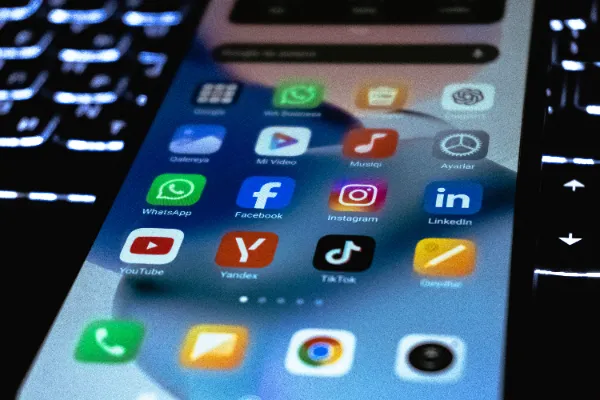
The speed at which information travels around the globe has reached unprecedented rates. Real-time digital reporting, social media dissemination, and algorithmic news feeds have fundamentally changed how society consumes news and communicates ideas.
The Transition from Traditional to Real-Time News
Traditional media structures once relied on scheduled broadcast intervals and morning print editions. Today, breaking news events are documented live by eyewitnesses, independent analysts, and global publications simultaneously.
While this shift provides immediate access to breaking developments, it also requires consumers to cultivate stronger media literacy skills to evaluate source reliability and differentiate factual reports from unverified claims. Discover our editorial background on our About Us page.
Navigating Information Overload in the Digital Age
To consume current events productively without experiencing cognitive fatigue, practice structured media habits:
- Curate Primary Sources: Rely on transparent, established news outlets that adhere to rigorous editorial verification standards.
- Scheduled Consumption: Instead of endlessly scrolling live news feeds throughout the day, set designated times for news check-ins.
- Cross-Reference Information: Verify major reports across multiple independent channels before accepting them as factual truth.
The Future of Digital Journalism
As artificial intelligence and automated content distribution systems evolve, editorial integrity, human commentary, and deep investigative analysis become even more valuable in keeping society informed accurately.
If you are a journalist or commentator interested in contributing analysis pieces, check out our Write for Us page or contact our press office via the Contact Page. Review our user privacy commitments and guidelines on the Privacy Policy and Terms of Use.